Taylor Swift has ascended far beyond the boundaries of traditional celebrity, evolving into one of the most influential cultural architects of the 21st century. Her career—marked by artistic reinvention, emotional honesty, and unprecedented industry power—has redefined what it means to be a modern global superstar. From her beginnings as a teenage country singer to becoming the driving force behind a multibillion-dollar global phenomenon, Swift has repeatedly rewritten the rules of music, fandom, and creative ownership.
Swift’s journey began in Nashville, where she crafted heartfelt stories through music, quickly distinguishing herself from her peers. Her early albums like Fearless showcased her gift for narrative songwriting, turning coming-of-age emotions into universal anthems. She proved early on that vulnerability, when thoughtfully expressed, can become a powerful artistic tool. As she transitioned from country to pop with 1989, she demonstrated an ability to reinvent herself without losing the authenticity that endeared her to millions.
Beyond her musical evolution, Swift’s biggest cultural shift came through reclaiming her creative ownership. Her decision to re-record her earlier catalog after losing rights to her masters set a bold precedent in the music industry. The release of “Taylor’s Version” albums empowered artists worldwide to fight for autonomy and control their intellectual property. This move—equal parts strategic and symbolic—cemented Swift as a leader advocating for the rights of creators, not just a performer topping charts.
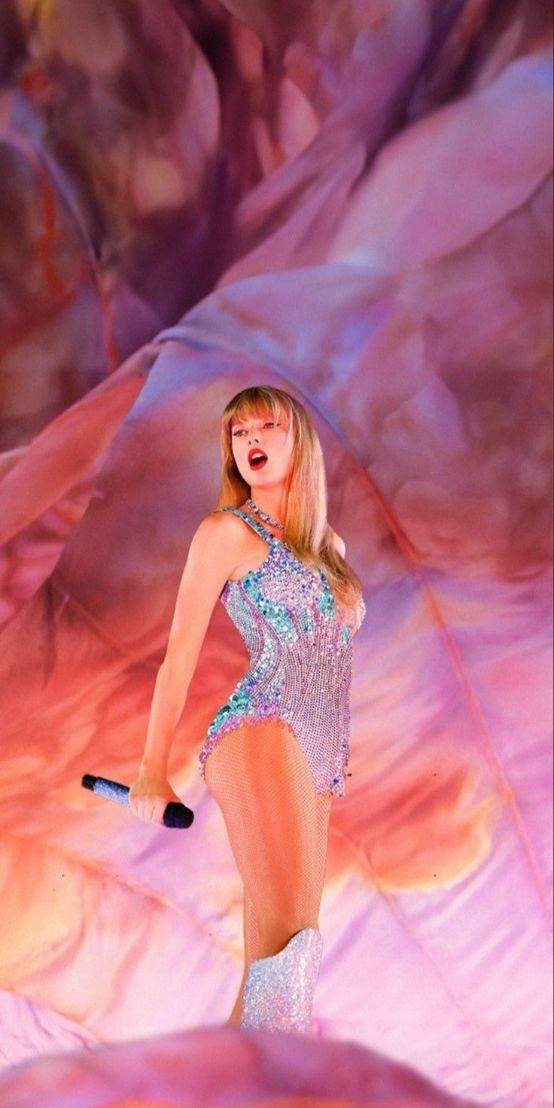
Swift’s global impact expanded further through The Eras Tour, a record-breaking concert experience that transformed into a cultural and economic phenomenon. The tour revitalized local economies, boosted tourism, and created a global sense of shared celebration. With fans traveling across continents, sporting themed outfits, and treating each show as a moment of collective storytelling, Swift redefined what a concert can represent in contemporary culture.
Her influence extends equally into digital culture. Swift mastered the art of building a deeply engaged community, using social media not just as a promotional tool but as a platform for connection, gratitude, and storytelling. Her strategic use of Easter eggs, hidden clues, and parasocial intimacy created an entirely new way for fans to experience music—one that encourages participation, anticipation, and emotional ownership.
Swift’s humanitarian work and advocacy also reflect her commitment to meaningful impact. She has supported disaster relief, education, LGBTQ+ rights, and women’s empowerment, often donating discreetly while using her voice to challenge societal injustices. Her public stand in her sexual assault trial, where she countersued for a symbolic $1, became a landmark cultural moment in conversations about women, power, and accountability.
What makes Taylor Swift a global pop architect is not just her music, but her blueprint for shaping the modern entertainment landscape. She blends artistry, business acumen, emotional intelligence, and cultural awareness in ways few artists have achieved. Her legacy is defined not only by her chart-topping hits or sold-out stadiums but by the new rules she created for artistry, ownership, and connection.
Taylor Swift stands as one of the defining creative forces of her generation—a visionary who turned her life story into a global movement and transformed pop stardom into a space of empowerment, evolution, and enduring impact.